








International conflicts continue to shape global politics, economies, and humanitarian conditions in 2026. Governments, international organizations, and regional alliances are working to reduce tensions while addressing the effects of ongoing disputes. These conflicts influence energy markets, trade, migration, and international security.
This article provides an overview of current international conflict trends, their global impact, and the key developments that people around the world are watching.
Why International Conflicts Matter
Modern conflicts affect more than the countries directly involved. They can influence:
- Global food supplies
- Energy prices
- International trade
- Financial markets
- Tourism
- Refugee movements
- Regional and global security
As countries become increasingly connected through trade and technology, regional conflicts can have worldwide consequences.
Major Global Conflict Areas in 2026
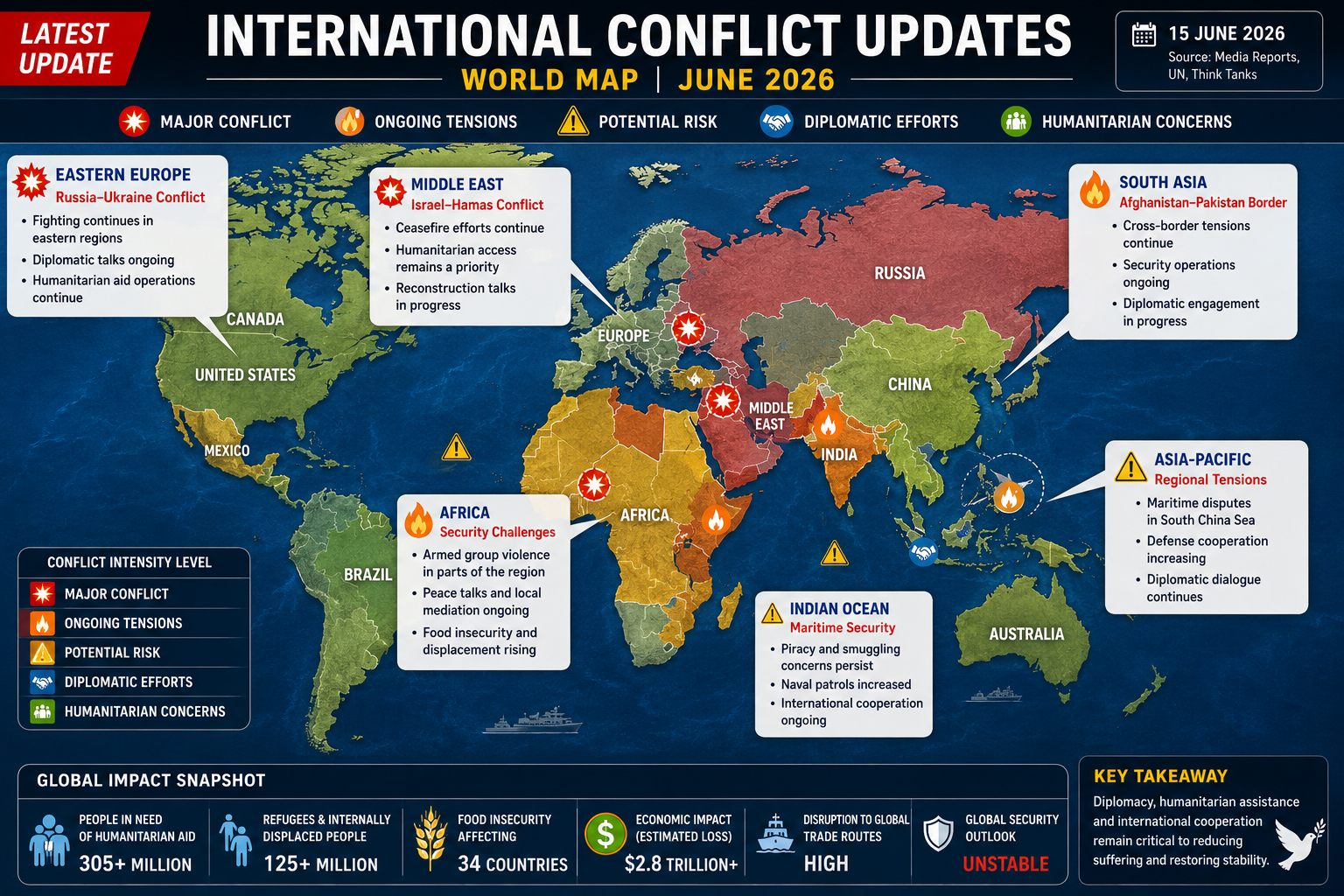
Eastern Europe
Eastern Europe remains an important focus of international diplomacy. Governments continue discussions aimed at reducing tensions, improving regional security, and supporting affected communities. Humanitarian assistance and reconstruction planning remain priorities.
Key Developments
- Continued diplomatic negotiations
- Humanitarian aid operations
- Infrastructure recovery efforts
- Regional security cooperation
Middle East
Several parts of the Middle East continue to experience political and security challenges. International organizations are working with regional governments to promote ceasefires, humanitarian access, and long-term stability.
Key Issues
- Civilian protection
- Humanitarian assistance
- Reconstruction planning
- Regional diplomatic dialogue
Africa
Some African regions continue to face security challenges involving armed groups, political instability, and humanitarian needs. International partnerships focus on peacebuilding, development, and protecting civilians.
Current Priorities
- Peace negotiations
- Food security
- Refugee assistance
- Economic development
Asia-Pacific
The Asia-Pacific region remains strategically important because of trade routes and international shipping. Countries continue diplomatic engagement to maintain regional stability while strengthening economic cooperation.
Focus Areas
- Maritime security
- Trade partnerships
- Regional diplomacy
- Defense cooperation
Humanitarian Impact
Conflicts often create significant humanitarian challenges.
Major concerns include:
- Displacement of civilians
- Access to healthcare
- Education disruptions
- Food insecurity
- Damage to infrastructure
- Protection of vulnerable communities
International humanitarian organizations continue providing emergency assistance where access is possible.
Economic Effects
International conflicts can influence the global economy through:
Energy Markets
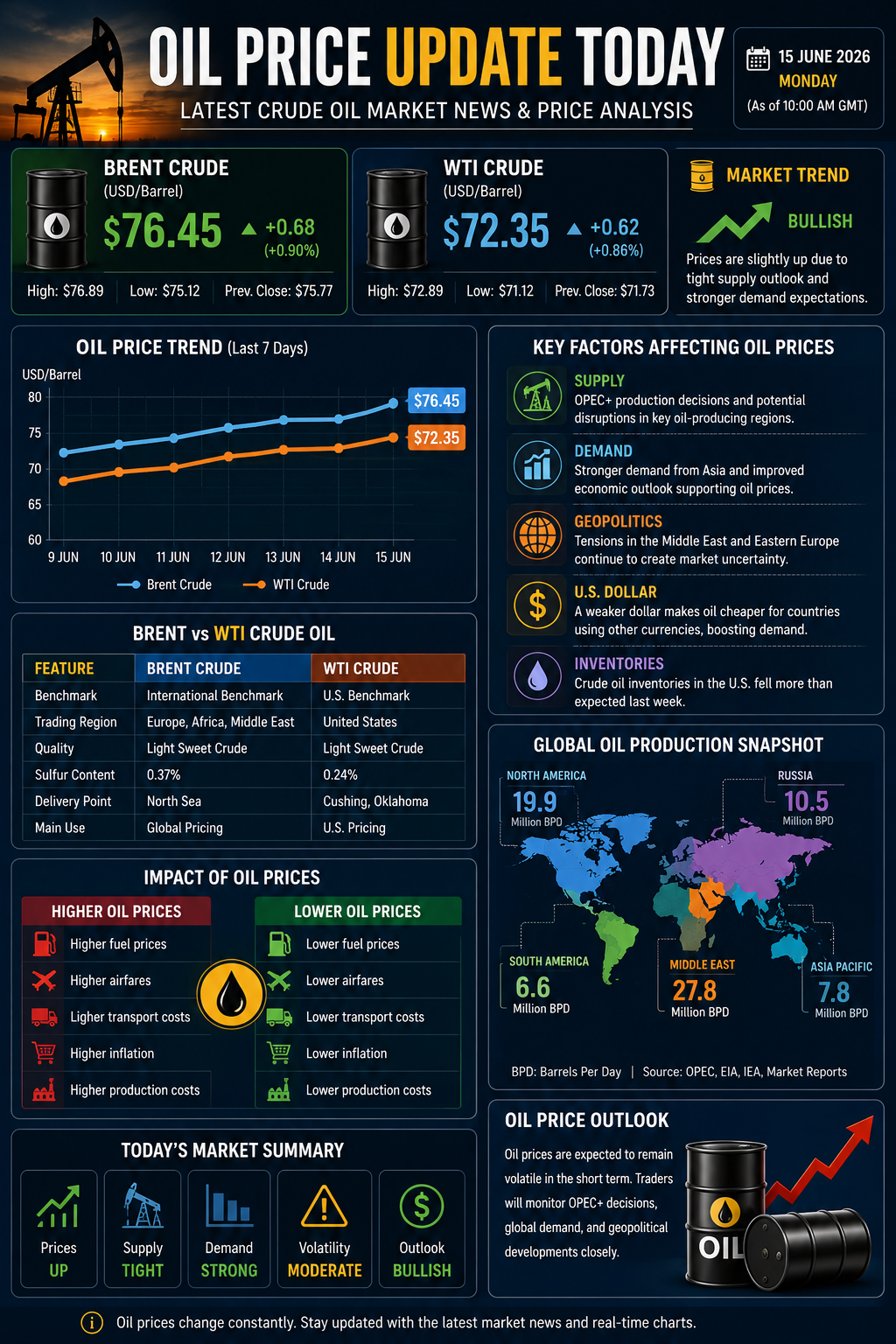
Supply disruptions may contribute to changes in oil and natural gas prices.
Trade
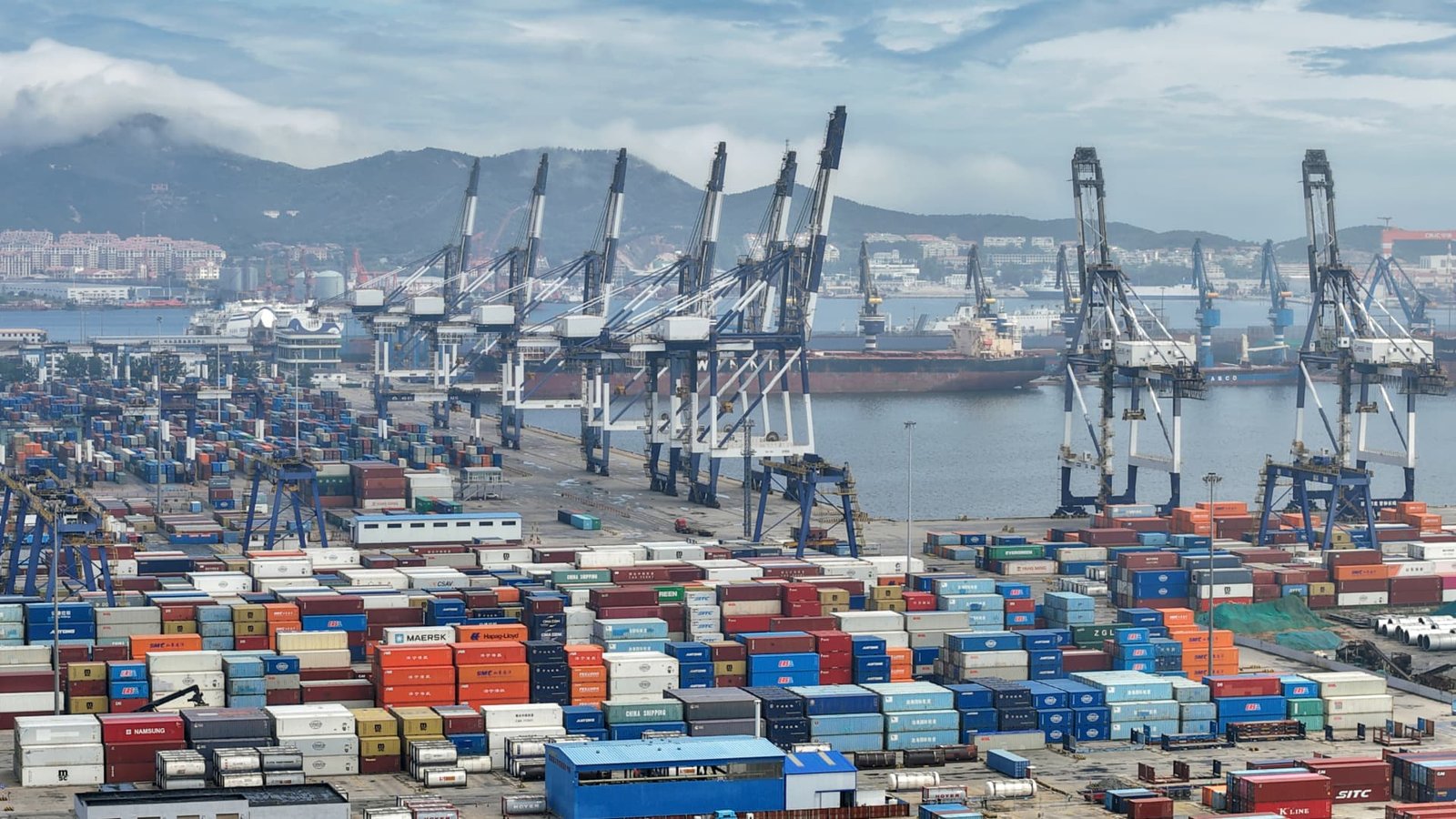
Shipping delays and transportation challenges can affect international commerce.
Financial Markets
Investors often monitor geopolitical developments closely, leading to increased market volatility during periods of uncertainty.
Diplomatic Efforts
Many governments and international organizations continue diplomatic initiatives aimed at reducing tensions through:
- Peace negotiations
- International mediation
- Humanitarian agreements
- Regional cooperation
- Confidence-building measures
Diplomatic engagement remains one of the primary tools for reducing the risk of further escalation.
Technology and Modern Conflict
Technology plays an increasingly important role in international security.
Important areas include:
- Cybersecurity
- Artificial intelligence
- Satellite communications
- Information security
- Critical infrastructure protection
Countries continue investing in digital resilience alongside traditional defense capabilities.
What to Watch in 2026
Several factors are expected to influence international security throughout the year:
- Ongoing diplomatic talks
- Humanitarian assistance efforts
- Regional security agreements
- Global energy market trends
- International trade developments
- Peacebuilding initiatives
Frequently Asked Questions
What are international conflicts?
International conflicts are disputes involving countries or organized groups that may involve political, territorial, economic, or security issues.
Why do international conflicts affect the global economy?
Conflicts can disrupt trade routes, energy supplies, transportation, and investor confidence, influencing prices and markets worldwide.
How are conflicts resolved?
Common approaches include diplomacy, mediation, negotiations, ceasefire agreements, peacekeeping efforts, and long-term political dialogue.
Who provides humanitarian assistance?
Governments, international organizations, and humanitarian agencies work together to deliver food, medical care, shelter, and other essential support to affected populations.
Conclusion
International conflict updates remain important for understanding global security, economic trends, and humanitarian needs. While challenges continue in several regions, diplomatic engagement, humanitarian assistance, and international cooperation remain central to efforts aimed at reducing tensions and supporting long-term stability.