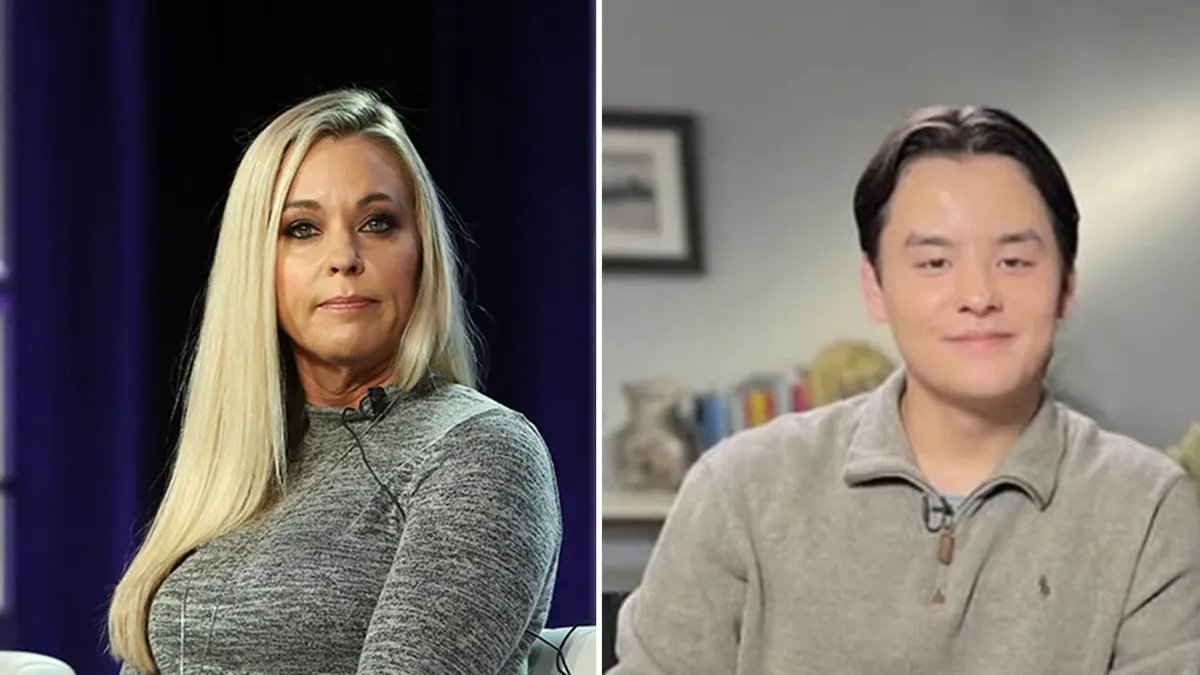









Paul Mauro: It’s a ridiculous narrative
Fox News hosts debate the new ‘Supergirl’ movie’s projected $200 million loss, with Variety calling it ‘super-horrendous.’ Jesse Watters, Greg Gutfeld, and other panelists discuss actress Millie Alcock’s remarks that her character is bisexual, which they believe is tied to ‘woke’ Hollywood narratives and the film’s poor box office performance.
It’s a predictable tale as old as time. Make bad product, blame customers when product fails.
That pattern may be most consistently used in Hollywood and the entertainment industry, where creative talent, studio executives, and actors refuse to take responsibility for its own obvious mistakes. It’s become a time-honored tradition in the movie business, increasingly so in the last few years as studios and directors push more politically-motivated content into theaters. Or inject politics into a film’s press and media campaign, often with little purpose other than to satisfy their own narcissism.
The latest example? “Supergirl.”
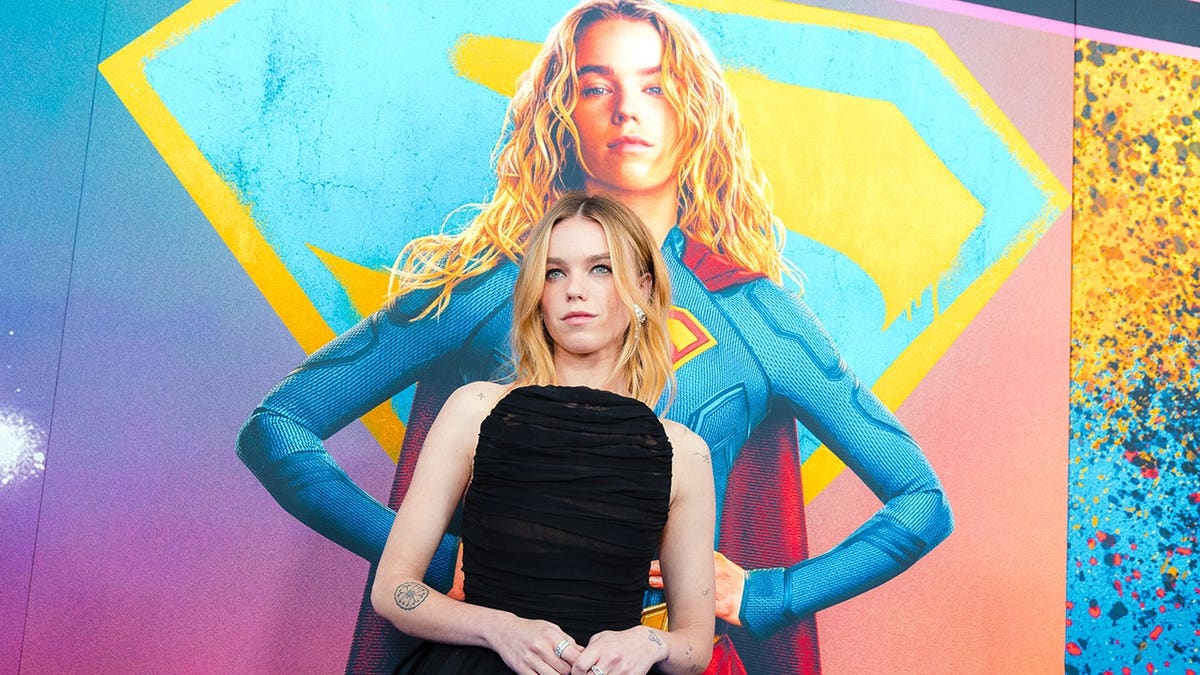
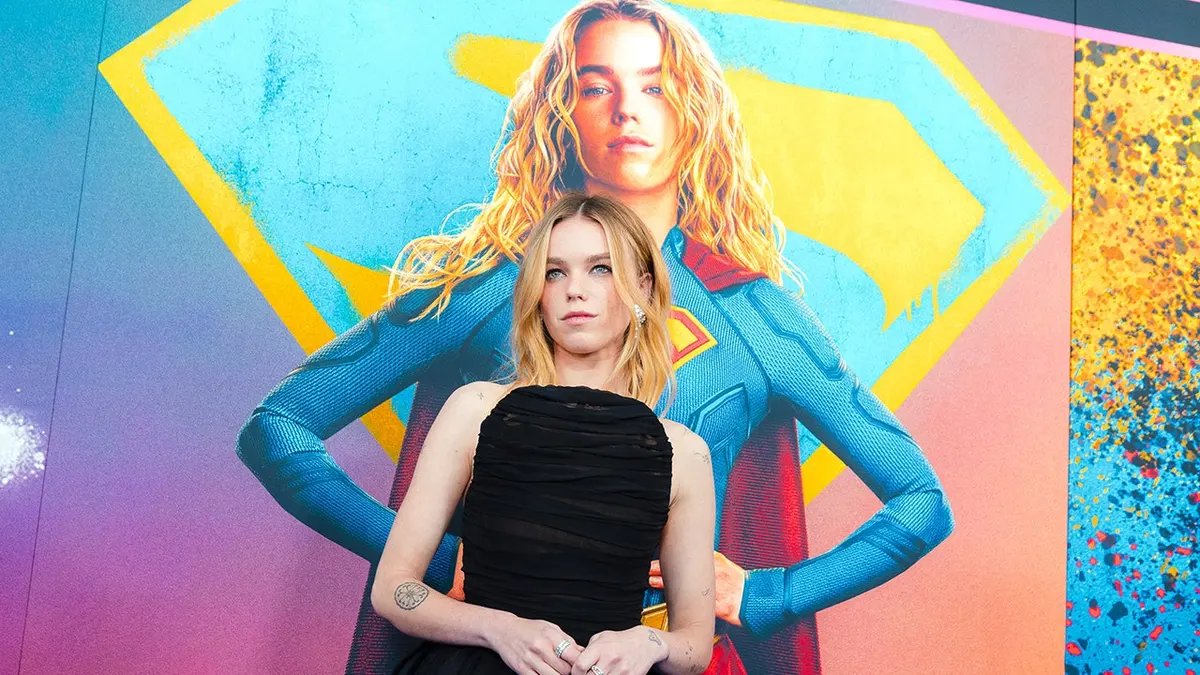
Milly Alcock attends the Supergirl world premiere in New York City on June 22, 2026. (David Jon/Getty Images)
“Supergirl” represents the second entry in the DC Studios universe under new creative lead James Gunn, and was given a massive promotional and media campaign to boost ticket sales. Star Milly Alcock had full length profiles in Vanity Fair and Variety. Warner Bros. launched a $100 million tie-in with big name brands. Original hopes were that the film would make $60-$70 million domestically in its opening weekend, with similar numbers internationally.
With the official numbers now in, it made…$37 million domestically. And as a result the studio now stands to lose hundreds of millions of dollars, considering the massive production and advertising costs.
It’s a gigantic financial loss, critics and audiences have given it mediocre to poor reviews, and given the busy summer movie season, it’s possible that the film fails to reach $100 million at the US box office. In short, it’s a financial and creative disaster. So who’s to blame?
It’d be easy to assume that Gunn would take some of the blame; after all, he’s the new head of DC, and as such, all creative decisions go through him. Maybe the Warner Bros. Studio executives, who greenlit the movie and sign off on the film’s cast, plot, and direction. There’s the writer, an inexperienced former actress who had just one 2018 short film on her resume.
Then there’s Alcock, who made a series of bizarre, off-putting comments about men in the lead-up to release.
“It definitely made me aware that simply existing as a woman in that space is something that people comment on,” she told Vanity Fair in an interview a few months before release. “We have become very comfortable having this weird ownership of women’s bodies. I can’t really stop them. I can only be myself.”
“I didn’t even say ‘men’ — I said ‘people!’” she then said in a follow-up interview with Variety. “And they got so angry. I was like, ‘You’re proving my point. You’re proving my point!’”
She added that criticism was coming from Dads or Christians.
“And it’s from a lot of people whose profiles have no photo, who are burner accounts,” Alcock said. “Or someone’s name and then ‘Dad of four, Christian,’ which is hilarious to me.”

Milly Alcock attends the premiere of “Supergirl” in New York City on June 22, 2026. (Arturo Holmes/WireImage)
Then, in the days leading up to release, answered a question from Queerly Radio that she thought it was “beautiful” that the film didn’t center around a man.
When asked whether she had “explored” her character’s supposed “queerness” in preparing for the role, she answered, “It wasn’t, but in honor of ‘Pride month,’ as I’m getting all these questions…I don’t know. I think that what makes this film beautiful is that it’s not centered around a man, it’s not centered around love at all. I don’t really know. I don’t know. I don’t know. She probably goes both ways.”
A reasonable person might assume that those comments, which have little to do with the mission of selling the movie to potential ticket buyers, would shoulder some of the blame for the film’s failure. But in the postmortem of the opening weekend disaster, it’s clear that reasonable people did not work on this movie.
In a new interview with The New York Times, Co-CEO of DC Studios Peter Safran acknowledged that the film was a disappointment, “While Supergirl didn’t meet our box office expectations, it’s just one component of a broader, long-term strategy at DC Studios that we remain confident in,” he explained.
Warner Bros. executives also addressed the justifiable annoyance with Alcock’s remarks, not by admitting that they were ill-advised and unnecessary, but by…blaming fans for being upset about it.
They “were surprised by both the ferocity of the backlash and its reach, believing the culture had evolved past that sort of campaign,” the story reads.
And moviegoers believed that actors and creative types in Hollywood had “evolved” past the Rachel Zegler, “Snow White” model of divisive, poorly considered remarks while promoting a big budget film.
The Times also blamed the “largely male” fanbase for their “misogyny.”
“Female-led superhero movies have been rejected almost uniformly over the past five years or so, perhaps reflecting a resurgent misogyny among the core fan base, which is largely male,” it says.
CLICK HERE FOR MORE SPORTS COVERAGE ON FOXNEWS.COM
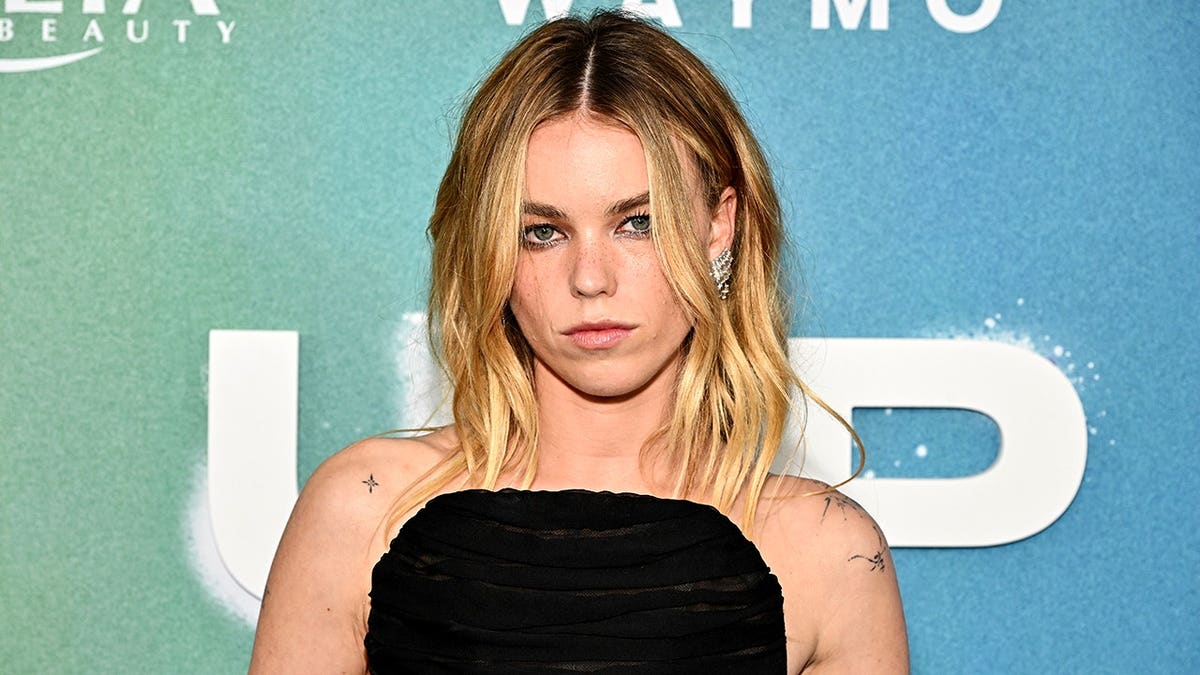
Milly Alcock attends the DC Studios’ world premiere of “Supergirl” at The Plaza at 300 Ashland on Monday, June 22, 2026, in New York (Evan Agostini/Invasion/AP)
This is the prototypical response from modern Hollywood and their media partners. Nothing is their fault. It’s not Alcock’s fault for making the promotional campaign about her insecurity, it’s not Gunn’s fault for hiring an inexperienced writer, nor is it the director and creative talent’s fault for making a bad movie. It’s all the fans who dare to get upset when the star of a movie makes intentionally divisive comments and says a film is better because it doesn’t center on men. That’s “misogyny,” according to the New York Times.
And it’s why the industry and their supporters are struggling. Hire better actors and actresses who don’t immediately turn millions of potential customers off. Make better movies that focus on quality storytelling, even if the writer doesn’t check the desired demographic box. Accept that there’s a limited audience for the “girl boss” archetype. Early data showed that roughly 59% of “Supergirl” moviegoers were men. Apparently “misogyny” is now women avoiding movies they aren’t interested in.
OUTKICK IS NOW ON THE FOX APP: CLICK HERE TO DOWNLOAD
This isn’t rocket science. But even the most concepts are simply too much for the entertainment industry to handle these days. That’s on them, not fans.