








NEWYou can now listen to Fox News articles!
Even as NATO allies increase defense spending, arm Ukraine and impose sanctions aimed at weakening the Kremlin, European Union countries haven’t yet been able to shake dependence on Russian liquefied natural gas, providing Russia with a key source of revenue as it wages war in Ukraine.
A new analysis of commercial shipping data shows European countries spent billions in the first half of 2026 on purchases of Arctic liquefied natural gas. Environmental watchdog Urgewald, using trade intelligence platform Kpler shipping data, found that 136 cargoes of the 140 cargoes exported from Russia’s flagship Yamal liquefied natural gas project between January and June were delivered to European Union ports.
China, once viewed as a major market for the Arctic project, received just four cargoes during the same period, the analysis found.
The group estimated those shipments were worth roughly €5.96 billion, or about $6.8 billion, based on benchmark European natural gas prices.
The figures expose one of the central contradictions confronting Europe four years into Russia’s invasion of Ukraine: While European governments have pledged to end dependence on Russian fossil fuels and cut off a key source of the Kremlin’s revenue, significant payments for Russian liquefied natural gas continue flowing during the bloc’s transition away from Russian energy.
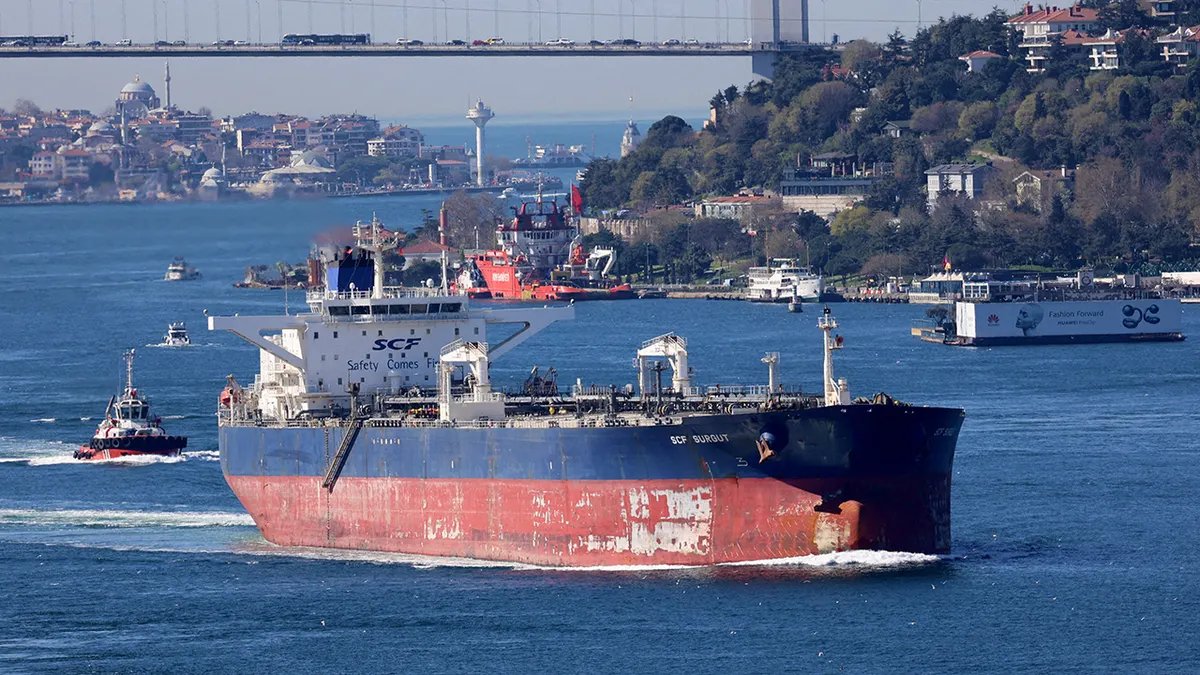
Despite years of sanctions and a pledge to phase out Russian gas, Europe remained the top destination for exports from Moscow’s flagship Arctic LNG project during the first half of 2026, according to a new analysis of commercial shipping data. (REUTERS/Yoruk Isik/File Photo)
The analysis found French ports were the destination for 51 cargoes from the Yamal liquefied natural gas project, followed by Belgium with 37 and Spain with 34 during the first six months of the year, according to the analysis. The figures reflect deliveries to ports rather than the nationality of the companies purchasing the liquefied natural gas or its ultimate destination within the European market, a spokesperson with France’s embassy in Washington emphasized.
The findings also come as NATO allies have committed to sharply increasing defense spending to 5% of GDP in response to Russia’s invasion of Ukraine, highlighting the challenge of simultaneously strengthening Europe’s military deterrence while significant energy revenues continue flowing to Moscow.
The European Union has adopted legislation to phase out Russian gas imports in stages, with a ban on Russian liquefied natural gas under long-term contracts taking effect on Jan. 1, 2027, and a ban on Russian pipeline gas under long-term contracts following on Sept. 30, 2027. While pipeline gas imports from Russia have fallen sharply since 2022, Russian liquefied natural gas has remained a significant source of supply for several European countries.
TRUMP CALLS OUT NATO AHEAD OF SUMMIT, CALLING IT ‘RIDICULOUS’ FOR US TO PERSIST ON ‘ONE SIDED PATH’
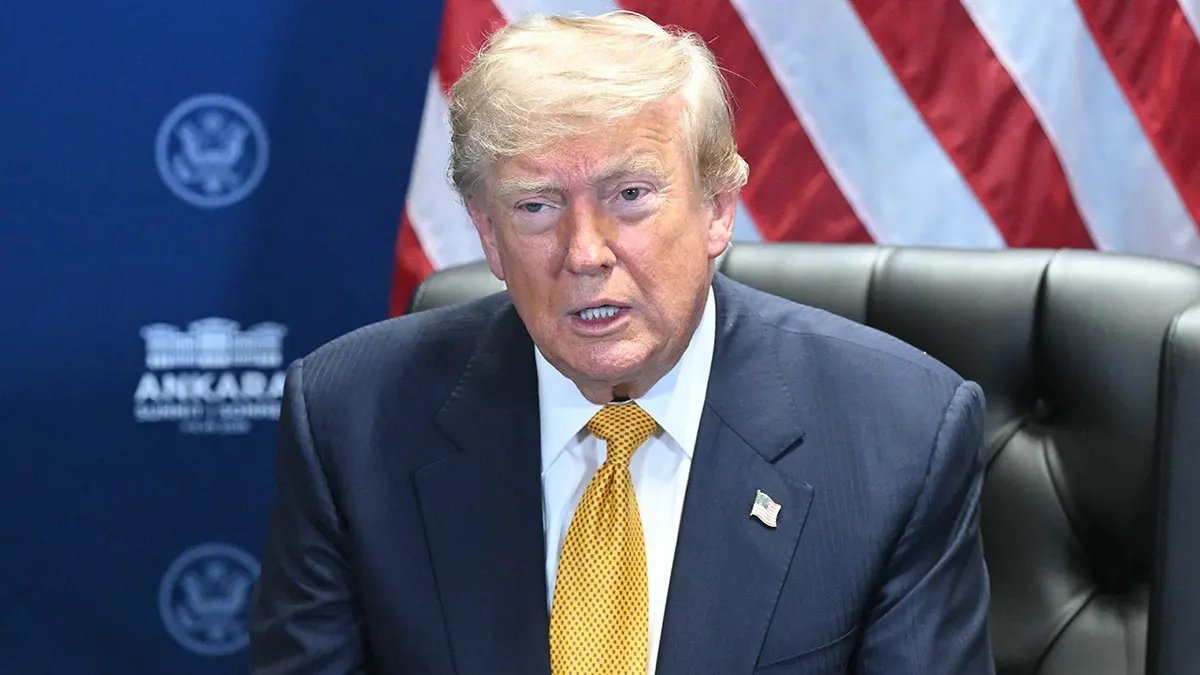
President Donald Trump has criticized Europe for its continued dependence on Russian fuel sources.
“Europe has sadly spent more money buying Russian oil and gas than they have spent on defending Ukraine, by far,” Trump said during his March 4, 2025, address to a joint session of Congress.
European Commission spokesperson Anna-Kaisa Itkonen said the increase likely reflected “frontloaded deliveries and adjustments to contractual arrangements ahead of tighter restrictions,” noting that the ban on new Russian gas contracts only took effect in March and that most remaining imports are under long-term contracts that are not scheduled to end until 2027.
The commission also said market disruptions following the closure of the Strait of Hormuz prompted efforts to maximize alternative liquefied natural gas supplies and that restrictions on Russian liquefied natural gas transshipment may have resulted in more cargoes remaining within the European Union market.
“As a result of President Trump’s energy dominance agenda, the United States is the world’s largest producer and exporter of oil and natural gas — with more than enough supply for both the United States and our allies,” the White House said in a statement. “The United States is Europe’s largest supplier of natural gas, and Europe will continue to import more and more U.S. LNG.”
The Belgian Ministry of Foreign Affairs told Fox News Digital in a statement that Belgium backed the EU’s agreement to phase out Russian gas imports and was “actively working toward that objective,” adding that the country was implementing all EU measures in the field.
Fox News Digital has reached out to the Spanish embassy in Washington for comment.
Russia’s use of energy as a geopolitical tool came into sharp focus after its full-scale invasion of Ukraine in 2022, when Moscow sharply reduced or halted natural gas supplies to several European countries, including Poland, Bulgaria, Finland and Germany. The European Commission accused the Kremlin of attempting to “weaponize” Europe’s energy supply after Russia cut deliveries through multiple routes, including the Nord Stream 1 pipeline.
The disruptions accelerated the European Union’s effort to end decades of reliance on Russian fossil fuels and deprive Moscow of a key source of export revenue.
In 2022, members of the European Parliament called on the European Commission to investigate allegations that Russian-backed organizations sought to shape European Union energy debates, including by opposing domestic fossil fuel development and nuclear power. The allegations have been the subject of political debate, but no comprehensive public finding has established that Russian funding broadly shaped Europe’s green energy policies.
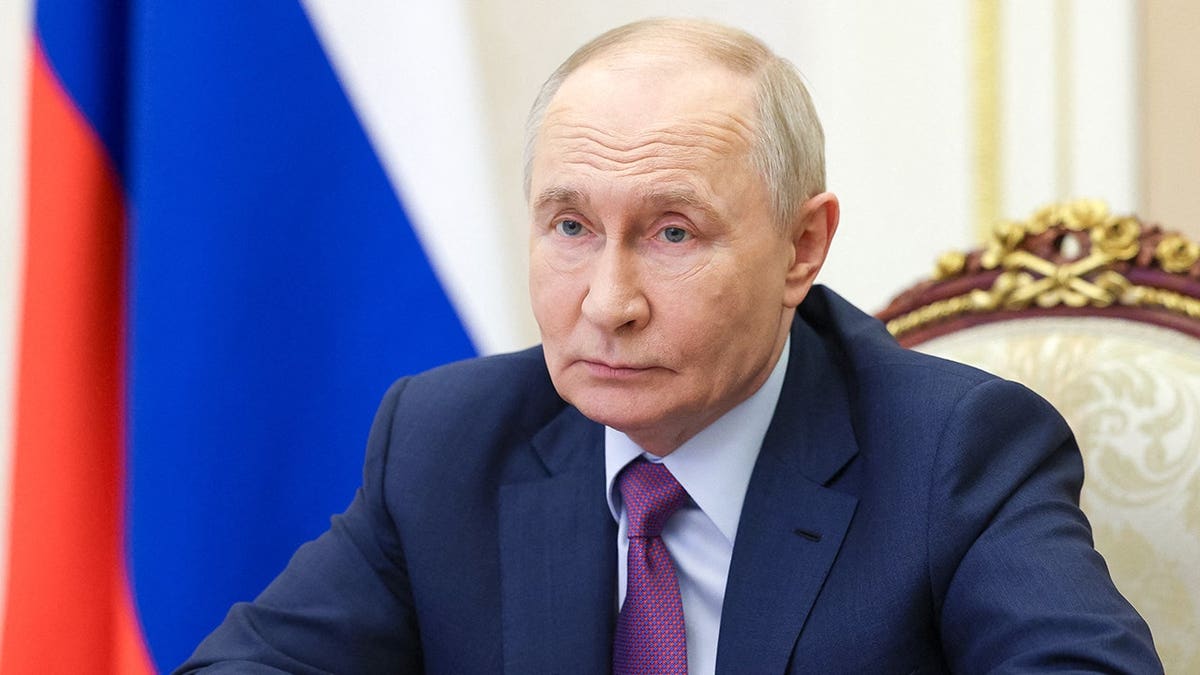
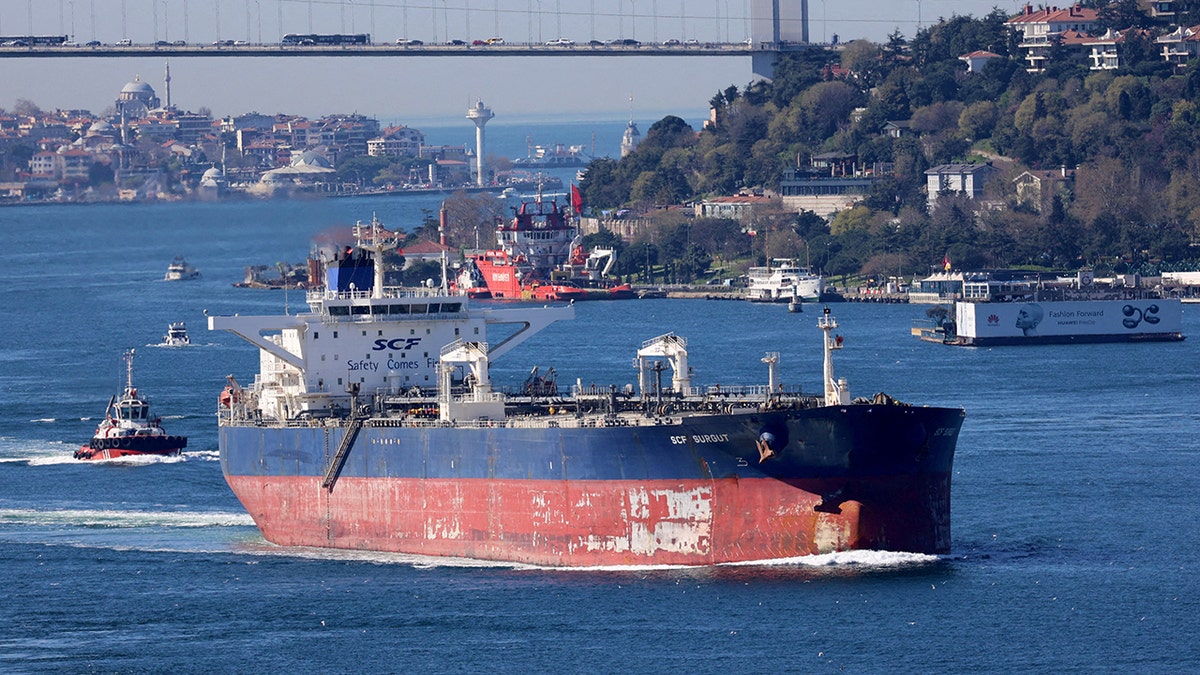
The findings highlight the gap between the European Union’s long-term goal of ending Russian energy imports and the bloc’s continued reliance on Arctic LNG more than four years after Moscow’s full-scale invasion of Ukraine. (Vyacheslav PROKOFYEV / POOL / AFP via Getty Images)
TRUMP DEMANDS END TO TRADE WITH KEY US ALLY, CALLS IT A ‘WASTED CAUSE’
The data illustrate the strategic challenges of unwinding decades of dependence on Russian energy while maintaining stable supplies for European consumers.
Continued liquefied natural gas purchases provide Russia with billions of dollars in export revenue at a time when the U.S. and its allies have sought to squeeze Moscow’s energy earnings in an effort to limit the Kremlin’s ability to sustain its war in Ukraine.
In June, EU foreign ministers approved another round of sanctions targeting Russia’s military-industrial complex and “curb[ing] Russia’s energy revenues” by tightening restrictions on the country’s shadow fleet and the networks that help export its oil.
Spain, one of Europe’s largest importers of Russian liquefied natural gas, has emerged as a focal point in the debate over the bloc’s planned phaseout. The head of the Port of Bilbao urged Brussels to delay its 2027 ban on Russian liquefied natural gas imports in an article published June 27 in the Financial Times, warning Europe could become overly dependent on U.S. gas. Spain’s energy minister rejected that argument, saying the recent rise in Russian liquefied natural gas imports was temporary and insisting Europe should move ahead with plans to eliminate Russian gas imports beginning in 2027.
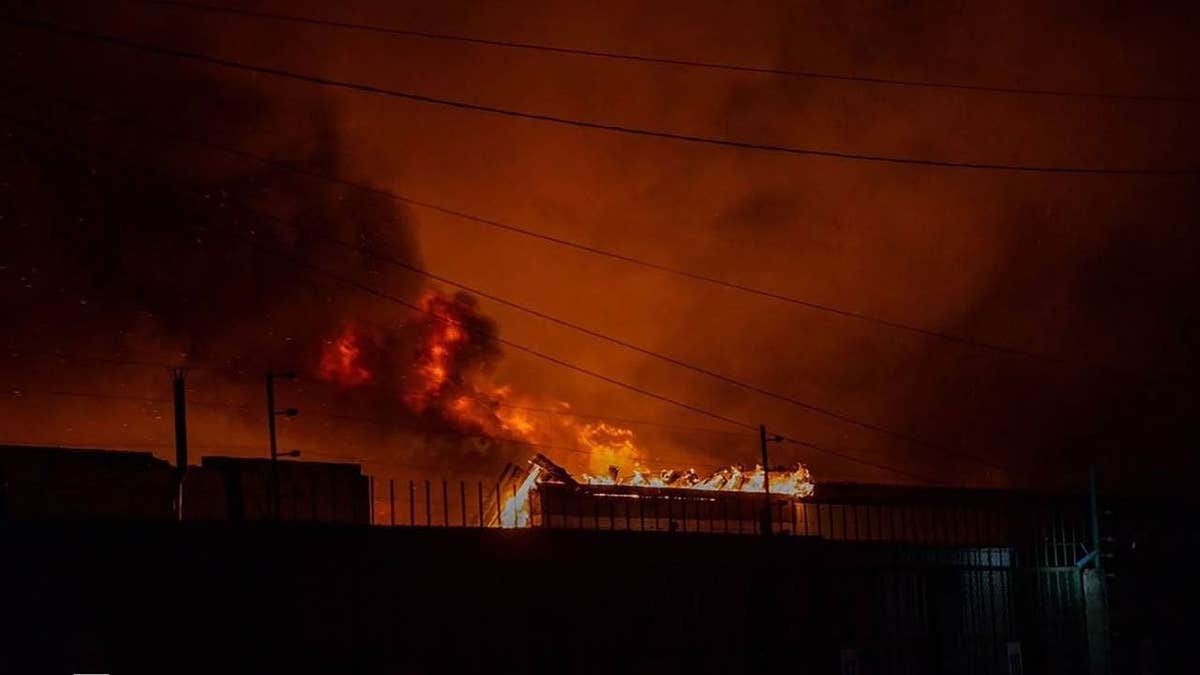
Smoke rises over Kyiv following a Russian missile and drone attack that struck multiple districts of the Ukrainian capital. July 8, 2026. (East2West news)
Spain has also emerged as a frequent target of Trump: last week during the NATO Summit in Ankara Wednesday and Thursday, he blasted Madrid over its refusal to meet the alliance’s new defense spending target, calling Spain “a wasted cause” and “a terrible partner” while threatening to cut off trade.
The clash followed earlier disputes over Spain’s refusal to support U.S. military operations against Iran.
CLICK HERE TO DOWNLOAD THE FOX NEWS APP
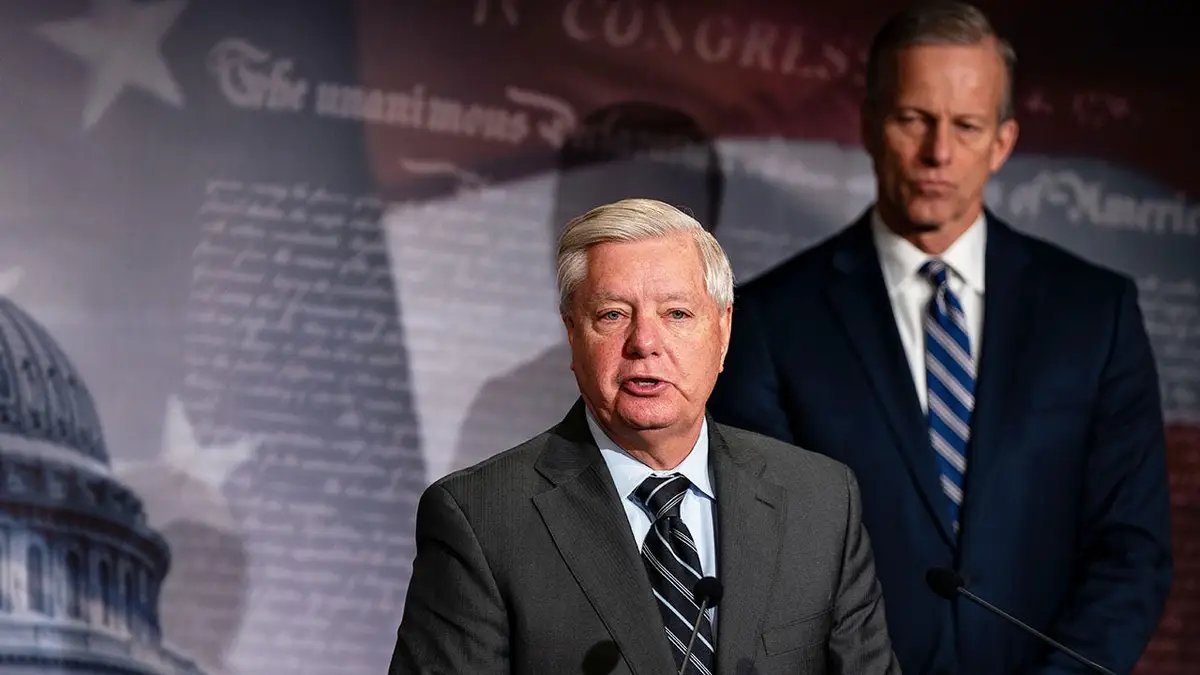
The findings come days after bipartisan senators and the Trump administration reached an agreement on legislation that would authorize sweeping secondary sanctions against countries continuing to purchase Russian energy. The proposal, championed by late Sen. Lindsey Graham and Sen. Richard Blumenthal, is intended to increase pressure on Moscow by targeting foreign buyers of Russian oil and natural gas.
“As Russia intensifies its slaughter of civilians, it is imperative that the legislative and executive branches work together to create tools to exact a heavy price on those who buy Russian oil and natural gas, fueling the Putin war machine,” leading senators said in a joint statement.
Fox News Digital has reached out to NATO and the Russian embassy for comment.